What Is a Convenience Store? Meaning, Features, Importance and Types
Convenience stores play an important role in modern retail by offering fast and easy access to everyday essentials. Whether located in neighborhoods or busy commercial areas, these stores provide quick shopping solutions for customers with busy lifestyles.
This guide explains the convenience store definition, key characteristics, and the importance of convenience stores, along with the main types of convenience stores operating today.
Convenience Store Definition
The convenience store definition refers to a small retail shop that sells everyday essentials such as snacks, beverages, groceries, and household items. These stores are designed to provide fast and easy shopping experiences for customers who need items quickly.
Often called convenience shops or corner stores, they are typically located close to residential areas or high-traffic locations and usually operate for extended hours.
When people ask what is the convenience store, the simplest explanation is:
A convenience store is a small retail shop where customers can quickly buy essential items without visiting a large supermarket.
A simple convenience store focuses on speed, accessibility, and essential products rather than a wide selection.
Key Convenience Store Features
Understanding convenience store features helps explain why these stores are so popular.
1. Small Store Size
Convenience stores are usually compact, making it easy for customers to find what they need quickly.
The smaller layout reduces shopping time and improves efficiency.
2. Limited Product Range
Unlike supermarkets, convenience stores offer a focused selection of essential items such as:
- Snacks
- Drinks
- Basic groceries
- Household products
- Personal care items
This simplified product mix supports quick purchases.
3. Extended Operating Hours
Many convenience stores operate late into the night, and some are open 24 hours.
This makes them ideal for:
- Late-night purchases
- Emergency needs
- Busy schedules
4. Accessible Locations
Convenience stores are usually located:
- Near residential areas
- On busy streets
- Near offices
- Close to transit routes
Easy access is a core feature of convenience retail.
5. Quick Checkout
Convenience stores prioritize fast service so customers can complete purchases quickly.
This efficiency is one of the main reasons customers choose convenience shops.
Importance of Convenience Stores
The importance of convenience stores extends beyond simple retail services.
1. Easy Access to Essentials
Convenience stores provide quick access to daily necessities such as food, beverages, and household items.
Customers can quickly pick up what they need without making long trips.
2. Time-Saving Shopping
Modern lifestyles are busy, and convenience stores allow customers to shop efficiently.
Instead of spending time in large supermarkets, shoppers can complete purchases in minutes.
3. Support for Local Communities
Many local stores serve neighborhoods by providing reliable access to essentials.
They often become familiar places where customers shop regularly.
4. Emergency Shopping
Convenience stores are often the first choice when customers need items urgently.
Examples include:
- Late-night snacks
- Medicine
- Household supplies
- Quick meals
Their accessibility makes them valuable in daily life.
Types of Convenience Stores
There are several types of convenience stores, each designed to meet different customer needs.
1. Traditional Convenience Stores
These independent stores operate locally and serve nearby communities.
They typically offer:
- Basic groceries
- Snacks and drinks
- Household items
Independent stores can adapt their products to local preferences.
2. Franchise Convenience Stores
Franchise convenience stores operate under established brands and follow standardized systems.
Benefits include:
- Brand recognition
- Proven business models
- Operational support
Many modern convenience retailers operate under franchise models.
3. Gas Station Convenience Stores
These stores are located alongside fuel stations and serve drivers and commuters.
They typically sell:
- Beverages
- Snacks
- Travel essentials
Fuel stations and retail stores often operate together to provide quick services, and many businesses compare the benefits of each model when choosing between a convenience store franchise vs gas station franchise.
4. Modern Premium Convenience Stores
Newer convenience stores focus on improved customer experience.
For example, Infinity Mart offers a modern retail concept that combines essential products with curated selections and convenient locations.
These stores emphasize:
- Clean layouts
- Quality products
- Efficient service
- Flexible store formats
Modern stores represent the next generation of convenience retail.
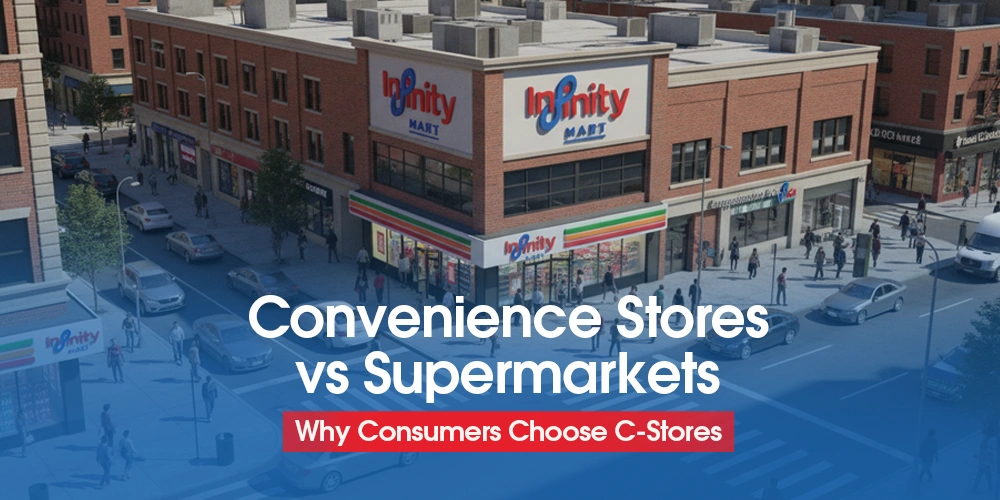
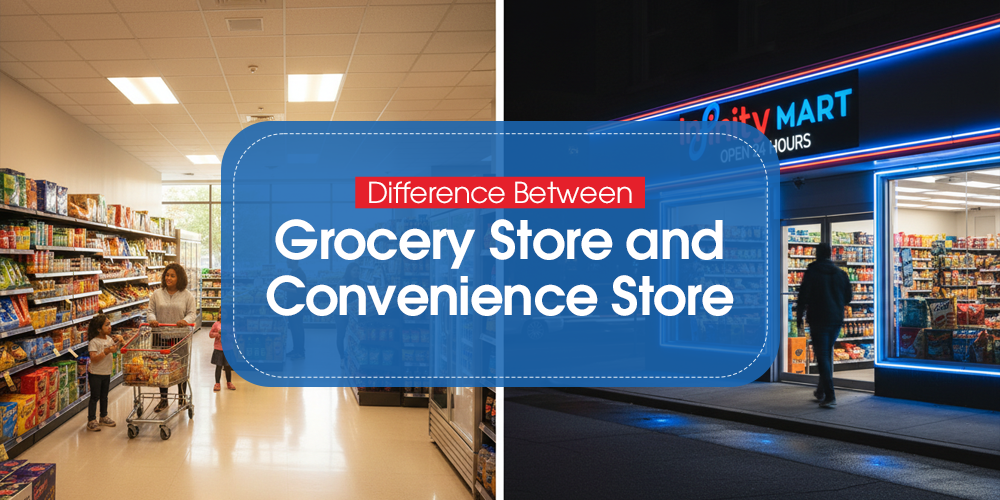
Convenience Stores vs Supermarkets
Convenience stores differ from supermarkets in several ways:
Feature | Convenience Stores | Supermarkets |
Size | Small | Large |
Products | Essential items | Wide selection |
Shopping Time | Quick | Longer |
Location | Local areas | Commercial zones |
Hours | Extended | Limited |
Convenience stores focus on speed and accessibility, while supermarkets focus on variety.
Conclusion
Understanding the convenience store definition helps explain why these stores remain an essential part of modern retail. From simple convenience store formats to modern retail concepts, convenience shops provide fast and reliable access to everyday necessities.
The combination of practical convenience store features, flexible types of convenience stores, and the growing importance of convenience stores ensures they continue to play a vital role in communities.
As retail continues to evolve, modern convenience concepts like Infinity Mart demonstrate how convenience stores can combine speed, quality, and customer-focused service in one efficient format.